

The Weekend Venture System: Build Your Dream Business While Keeping Your Day Job
Are You Tired of the 9-to-5 Grind? Imagine Building a Thriving Business on the Side!
Let's be honest. You spend a significant chunk of your life at your day job. Maybe it pays the bills, offers some stability, or even provides a decent career path. But deep down, do you feel that spark? That yearning for something more? Perhaps you've got a brilliant idea brewing, a passion you'd love to turn into a livelihood, or a skill that could serve a real market need. The thought of launching your own business is exciting, isn't it? The freedom, the impact, the potential for unlimited growth... It's intoxicating. But then reality sets in. The fear of financial instability, the sheer time commitment, and the "what ifs" can all feel like insurmountable walls. What if you could have your cake and eat it, too? What if you could build that profitable business, that side hustle that could one day become your main gig, without the terrifying leap into the unknown? What if you could do it all on your own terms, on your own schedule, and with your existing income safely in your pocket? Well, you can. And I'm here to show you how.
Introducing The Weekend Venture System: Your Roadmap to Entrepreneurial Freedom
For years, I've worked with driven individuals just like you, folks who have big dreams but also responsibilities. I've seen the passion, the talent, and the untapped potential that often gets sidelined by the demands of a full-time career. That's why I developed "The Weekend Venture System." It's not just a theoretical framework; it's a practical, step-by-step blueprint designed to guide you from idea to income, all while you maintain your current employment. Think of it as your secret weapon, your strategic guide to building something amazing on the side, leveraging your free time, yes, even your weekends! – to create a sustainable, profitable business.
Why a "Weekend Venture"? The Power of Building Without the Immediate Pressure
Why focus on the "weekend"? Because it represents a crucial mindset shift. It's about building something with intention and focus, but without the immediate, life-altering pressure of needing it to replace your full-time income from day one. This allows you to be more creative, take calculated risks, and learn without the constant anxiety of immediate financial failure. It’s like learning to swim in a shallow end before you dive into the open ocean. You gain confidence, hone your skills, and build your endurance, all in a safe environment. The weekend becomes your dedicated innovation lab, your entrepreneurial playground, where you can test, iterate, and grow your venture at a pace that works for you.
1-on-1 Clarity Call
1-on-1 Clarity Call
A FREE focused 30-minute clarity call designed to help employed professionals gain clarity on business direction, positioning, transition readiness, and practical next steps towards building income beyond employment.
The 7 Pillars of The Weekend Venture System: A Step-by-Step Blueprint
This system is built on seven fundamental pillars, each designed to logically build upon the last, ensuring you're not just chasing a dream, but strategically constructing a viable business. Let's break them down:
Step 1: Unearthing Your Passion – The Fuel for Your Entrepreneurial Fire
This is where it all begins. Without genuine passion, your venture is unlikely to survive the inevitable challenges. It's the engine that will keep you going when motivation wanes and late nights become the norm.
What Truly Lights You Up? Discovering Your Core Interests: Ask yourself: What do you love doing so much that you'd do it even if you weren't paid? What topics do you find yourself constantly researching, talking about, or engaging with? Think about your hobbies, your interests, the things that make you lose track of time. Don't dismiss anything too quickly! Sometimes the most unexpected passions hold the greatest business potential. Is it baking artisanal bread? Is it coding beautiful websites? Is it helping people declutter their homes? Jot it all down. No judgment, just exploration.
From Hobby to Hustle: Identifying Monetizable Passions: Once you have a list of your passions, the next step is to see which ones have commercial appeal. Can you realistically offer a product or service related to this passion that people would be willing to pay for? For example, if you love collecting vintage stamps, perhaps you can build an online store selling rare stamps or offer appraisal services. If you're passionate about yoga, maybe you can offer online classes or create yoga-themed merchandise. This isn't about diluting your passion; it's about finding a way to share it with others in a way that provides value and generates income.
Step 2: Leveraging Your Existing Knowledge and Expertise – Your Untapped Goldmine
This is where your day job and life experiences become incredibly valuable assets. You've already acquired a wealth of knowledge and skills; the trick is to recognize how they can be repurposed for your new venture.
What Do You Already Know? Mapping Your Skillset: Take a good, hard look at your professional life and your personal experiences. What are you exceptionally good at? What problems do you solve daily? What unique insights do you possess because of your job or your life journey? Are you a master of project management? A wizard with social media? A whiz at financial planning? A gifted communicator? Don't overlook the "soft skills" either – leadership, problem-solving, empathy, and organization are incredibly valuable. List every skill you have, no matter how mundane it might seem.
Turning Professional Skills into Business Assets: Now, connect your skills to your passions. If your passion is helping small businesses with marketing, and your day job involves digital strategy, you're already halfway there! Your expertise in SEO, content creation, or social media campaigns can be directly applied to serving clients. Even if the connection isn't immediately obvious, consider how your skills can support a venture. A meticulous accountant might be perfect for offering bookkeeping services to other entrepreneurs. A great organizer could start a home organization business. Your existing knowledge is a powerful shortcut to credibility and capability.
Step 3: The Opportunity Assessment – Spotting the Gaps That Matter
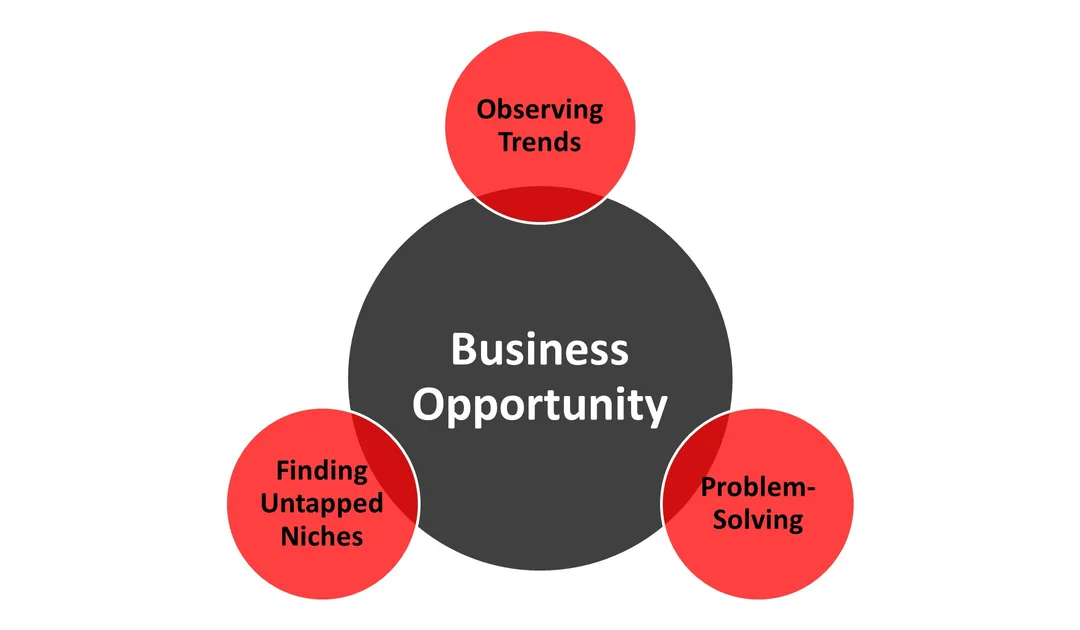
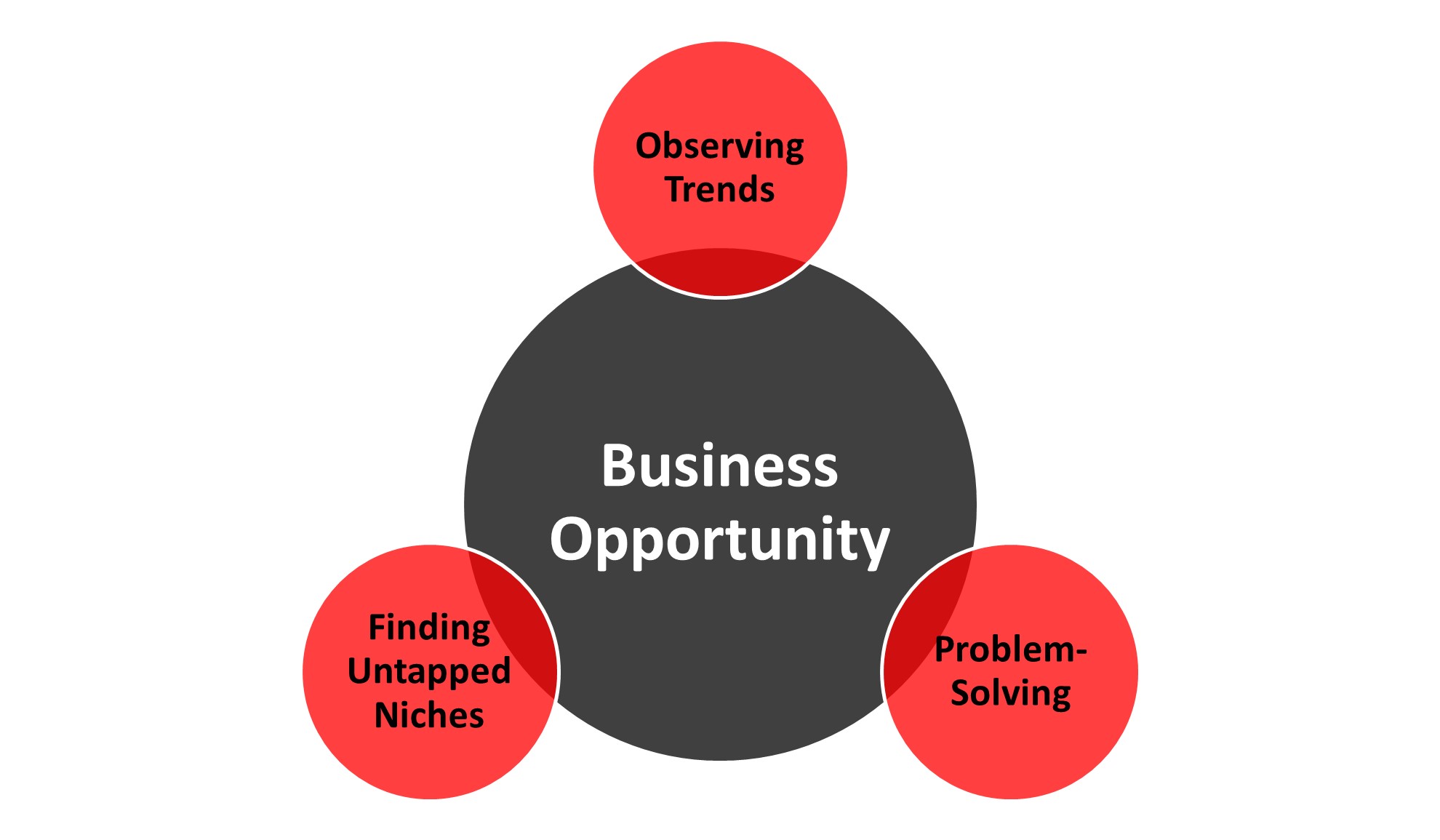
Passion and expertise are essential, but they need to meet a market need. This step is about becoming a detective, observing the world around you to find unmet demands and underserved audiences.
Observing Trends: What's Hot and What's Next? What are the emerging trends in your industry, in related fields, or in consumer behavior? Are people increasingly interested in sustainable products? Is there a growing demand for remote services? Are certain technologies becoming mainstream? Staying abreast of trends helps you identify opportunities before they become saturated. Read industry publications, follow thought leaders, and pay attention to news and social media discussions.
Problem-Solving Power: Where Can You Make a Difference? Every successful business solves a problem or fulfills a need. What are the pain points people are experiencing in areas related to your passion and expertise? What frustrates them? What are they struggling with? Your venture can thrive by offering a solution. If people are complaining about the lack of healthy, convenient meal options, perhaps your passion for cooking can lead to a meal prep service. If small businesses struggle with IT issues, your tech skills can be the answer.
Finding Untapped Niches: The Sweet Spot Between Passion and Market Need. The goal here is to find a specific niche within a broader market. Instead of trying to be everything to everyone, focus on a particular segment that is underserved or overlooked. For example, instead of just "fitness coaching," perhaps you focus on "fitness coaching for new mothers returning to exercise" or "strength training for remote workers." Niches allow you to become the go-to expert for a specific group, making your marketing more effective and your offering more valuable.
Step 4: The Feasibility Study – Is Your Venture Viable?
This is where we get practical. Before you invest too much time and resources, you need to rigorously assess whether your business idea can actually work. This isn't about crushing dreams; it's about building a strong foundation.
Product/Service Feasibility: Can You Actually Deliver? Can you realistically create and deliver the product or service you envision? If it's a product, can you source materials, manufacture it efficiently, and ensure quality? If it's a service, do you have the skills, the tools, and the capacity to deliver it effectively? This involves thinking about the practical aspects of creation and delivery. For a digital product, this might mean evaluating the software you'll need. For a physical product, it could involve finding reliable suppliers.
Industry and Target Market Feasibility: Is There a Demand? We touched on this in the opportunity assessment, but here we dive deeper. Is there a genuine, paying market for your offering? How large is this market? Is it growing, shrinking, or stagnant? Conduct market research. Look at competitor sales (if possible), read customer reviews for similar products, and survey potential customers. Validate that people actually want and are willing to pay for what you plan to offer.
Personal Prowess: Are You Ready for the Challenge? This is a crucial, often overlooked, aspect. Do you have what it takes? Building a business requires resilience, discipline, a willingness to learn, and the ability to handle setbacks. Be honest with yourself. Do you have the time you can dedicate, even if it's just a few hours a week? Are you prepared to put in the effort? This isn't about being perfect, but about assessing your commitment and your capacity to grow into the role of a business owner.
Financial Feasibility: Can it Actually Make Money? This is the bottom line. Map out your potential startup costs (even if they're minimal for a weekend venture), your ongoing expenses, and your projected revenue. Can you price your product or service competitively and still make a profit? How long will it take to reach profitability? This involves creating a basic financial model. It doesn't need to be a complex corporate forecast, but a realistic projection of income and expenses. This step helps ensure your venture is sustainable and not just a passion project with no financial return.
Step 5: Industry and Competitor Analysis – Know Your Battlefield
Once you've established feasibility, it's time to get a clear picture of the landscape you'll be operating in. Understanding your industry and your competition is vital for strategic positioning.
Understanding Your Landscape: The Big Picture. What are the overall dynamics of the industry you're entering? What are the major trends, challenges, and opportunities? Who are the key players? What are the typical profit margins? Understanding the industry context will help you make informed decisions about pricing, marketing, and product development. It's like knowing the terrain before you embark on an expedition.
Who Are Your Rivals? Learning from the Competition. Identify your direct and indirect competitors. Who else is serving your target market? What are they doing well? Where are their weaknesses? Don't just look at their products or services; examine their marketing, their customer service, their pricing, and their online presence. You can learn a tremendous amount from what others are doing, both good and bad. This analysis helps you find your unique selling proposition (USP) and identify ways to differentiate yourself.
Step 6: Crafting a Winning Business Model – Your Blueprint for Profitability
A business model is essentially how your business creates, delivers, and captures value, in simpler terms, how it makes money. Choosing the right model is crucial for sustainability, especially for a venture built around your job.
Beyond the "Get Rich Quick": Sustainable Models for Weekend Ventures. Avoid models that require massive upfront investment or constant, time-intensive demands unless you're prepared for that. Think about models that can scale, can be automated, or can be managed with limited hours. Examples include: subscription boxes, digital products (e-books, courses, templates), consulting or coaching, niche e-commerce, SaaS (Software as a Service), affiliate marketing, or freelance services. The key is to find a model that aligns with your available time and resources.
Choosing a Model That Fits Your Lifestyle and Goals: Consider your own preferences and constraints. Do you prefer creating tangible products or delivering services? Do you want passive income streams or active client work? A subscription box model might work for a product-focused venture, while a recurring service model might suit a skill-based offering. The goal is to select a business model that allows you to generate revenue consistently without overwhelming your existing commitments. This is about smart building, not just busy work.


Step 7: Designing Your Irresistible Offer – The Art of the Pitch
This is where you synthesize everything you've learned into a clear, compelling message that speaks directly to your ideal customer. Your offer is what you present to the world.
The "I Help (Who) with (What Problem) So They Can Achieve (Outcome) Without (Loss Aversion)" Framework
This is a powerful copywriting formula that clarifies your value proposition. Let's break it down:
I help (Who): Clearly define your target audience. Be specific! "Small business owners," "Busy parents," "New entrepreneurs," "Creative freelancers. with (What Problem/Pain Point): Articulate the core challenge or pain your audience faces. "Struggling to generate leads," "Feeling overwhelmed by
meal planning," Lacking a cohesive brand identity and brand voice," "Wasting hours on administrative tasks." So they can achieve (Outcome): Describe the desired result, the transformation, and the benefit they will gain. "Attract more clients," "Save time and eat healthier," "Stand out in a crowded market," "Focus on
growing their business." Without (Loss Aversion): Address their fears and objections, highlighting what they won't have to do or lose. "Without spending a fortune on advertising," "Without spending hours in the kitchen," "Without hiring an expensive agency," "Without sacrificing their precious weekends."
Putting It All Together: Your Value Proposition in a Nutshell
Combine these elements into a concise statement. For instance: "I help new entrepreneurs build a professional website so they can attract their first clients without needing to learn complex coding or hire an expensive web designer." Or: "I help busy parents create healthy, delicious weekly meal plans so they can save time and nourish their families without resorting to takeout." This clear, benefit-driven offer is the foundation of your marketing and sales efforts. It tells potential customers exactly what you do, who you serve, and why they should choose you.


The Weekend Venture System in Action: Real-World Examples (Hypothetical)
Theory is great, but seeing how it plays out in practice is inspiring. Let's look at a couple of scenarios where The Weekend Venture System could transform someone's career trajectory.
From Coder to SaaS Creator: A Weekend Warrior's Story
Meet Alex. Alex is a software engineer by day, brilliant at coding, but tired of working on projects that don't feel personally fulfilling. His passion? Solving productivity puzzles. He notices many small teams struggle with managing their internal communication and project updates, leading to confusion and missed deadlines.
- Passion: Solving complex problems, improving team efficiency.
- Expertise: Software development, project management.
- Opportunity: Many teams lack affordable, user-friendly internal communication tools.
- Feasibility: Alex can build a Minimum Viable Product (MVP) himself on weekends. Market research shows demand from small to medium-sized businesses. He's disciplined and can dedicate 10-15 hours a week.
- Analysis: The SaaS market is competitive, but many tools are over-engineered or too expensive for smaller teams. Competitors have broad offerings; Alex can focus on a specific workflow.
- Business Model: Monthly subscription (SaaS).
- Offer: "I help small teams streamline their internal communication and project updates so they can boost productivity and avoid costly mistakes without overspending on complex enterprise software."
Alex builds his MVP, tests it with a few beta users, refines it, and launches. He markets it through developer forums and relevant online communities. His weekend venture starts generating recurring revenue, slowly chipping away at his desire to create something of his own.
The Artisan Baker's Leap: From Kitchen to Customers
Sarah works in marketing, a job she enjoys but which doesn't ignite her soul. Her true joy comes from baking, creating stunning and delicious sourdough breads and pastries that her friends rave about.
- Passion: Artisan baking, creating beautiful food.
- Expertise: Baking techniques, ingredient knowledge, and some understanding of food safety.
- Opportunity: Limited local bakeries offer high-quality, specialty baked goods, and there's a growing appreciation for artisanal food.
- Feasibility: Sarah can bake in batches on weekends using her home kitchen (checking local regulations). She can start with local delivery or farmer's market sales. She can dedicate Saturday mornings and some evenings.
- Analysis: Local bakeries exist, but few focus exclusively on sourdough or unique pastries. Online food delivery is a growing trend.
- Business Model: Pre-order-based e-commerce with local delivery/pickup, potentially farmer's market sales.
- Offer: "I help food lovers enjoy delicious, handcrafted sourdough breads and unique pastries so they can elevate their meals and impress guests without the hassle of baking themselves."
Sarah sets up an Instagram page showcasing her creations, takes pre-orders through a simple website, and delivers on Sundays. Her business grows through word-of-mouth and beautiful social media content, creating a delightful side income and a growing customer base.
Overcoming Common Hurdles: Staying Motivated and Sane
Embarking on a weekend venture is an incredible journey, but it's not without its challenges. Here are some common pitfalls and how to navigate them.
Time Management Hacks for the Busy Professional
This is the cornerstone of a successful weekend venture. Treat your venture time as seriously as you would a client meeting or a work deadline. Schedule it in your calendar. Batch similar tasks together. Identify your most productive times and protect them fiercely. Learn to say "no" to non-essential social commitments that eat into your venture time. Tools like project management apps (Trello, Asana) or even a simple spreadsheet can help you stay organized and on track. Remember, consistency is key – even an hour or two focused on your venture each weekend is progress!
Dealing with Imposter Syndrome and Self-Doubt
It's incredibly common to feel like you're not good enough, especially when you're comparing yourself to established businesses or feeling like an amateur. Combat this by focusing on your progress, not perfection. Celebrate small wins. Remind yourself of the value you offer and the problems you solve. Seek out a mentor or a community of like-minded entrepreneurs for support and encouragement. Remember why you started – your passion and your vision.
When to Take the Leap: The Transition from Weekend Venture to Full-Time Business
This is the ultimate goal for many. There's no single magic number, but general signs include: consistent, growing revenue that could support your living expenses; a strong, loyal customer base; predictable income streams; and a burning desire to dedicate your full energy to the venture. It's often a gradual transition, where you might start reducing hours at your day job before making the full jump. Ensure you have a financial cushion and a solid understanding of your business's trajectory before leaping.
Your Entrepreneurial Journey Starts Now: Embrace The Weekend Venture System
The desire to build something of your own is a powerful force. The Weekend Venture System provides the structure, the strategy, and the confidence to turn that desire into a tangible, profitable reality, all without jeopardizing your current financial security. It’s about smart, strategic growth, leveraging your existing life to build a brighter future. You have the passion, you have the skills, and now you have a proven system. Stop dreaming and start building. Your weekend venture awaits!
Frequently Asked Questions (FAQs)
Frequently Asked Questions (FAQs)
The beauty of this system is its flexibility. You can start with as little as 3-5 hours per week, dedicating a few hours on Saturday and Sunday. As your venture grows and you gain momentum, you might naturally find yourself dedicating more time, but the initial requirement is manageable for most busy professionals.
This is where the "Opportunity Assessment" and "Feasibility Study" steps are critical. We explore how to connect your passion to market needs. Sometimes, the initial perceived lack of profitability is due to not identifying the right problem to solve or the right audience to serve. We'll work on finding that sweet spot where your passion meets a paying market demand.
Absolutely! The Weekend Venture System is designed to be versatile and applies equally well to both product-based businesses (e.g., selling handmade goods, digital products) and service-based businesses (e.g.,
consulting, coaching, freelance design, virtual assistance). The core principles of identifying passion, leveraging expertise, assessing opportunity, and structuring an offer remain the same.
Some common mistakes include: trying to do too much too soon, not validating their idea with potential customers, failing to create a clear offer, neglecting marketing and sales, and not managing their time effectively. The Weekend Venture System is designed to help you avoid these pitfalls by providing a structured, step-by-step approach.
Burnout is a real risk, but it can be managed. Prioritize self-care, set realistic expectations, and learn to delegate or outsource tasks when possible (even if it's just a small task initially). Most importantly, ensure your venture aligns with something you genuinely enjoy, as passion is a powerful antidote to burnout. Consistent, focused effort is more sustainable than sporadic, overwhelming bursts of activity.
1-on-1 Clarity Call
1-on-1 Clarity Call
A FREE focused 30-minute clarity call designed to help employed professionals gain clarity on business direction, positioning, transition readiness, and practical next steps towards building income beyond employment.
Join my FREE newsletter THE WEEKEND VENTURE