The Power of Academic Knowledge in Entrepreneurship
Building a Scalable and Profitable Business
 Berge Dermelkonian

The Power of Academic Knowledge in Entrepreneurship
Building a Scalable and Profitable Business
Many aspiring entrepreneurs question whether formal education truly contributes to business success. You might have learned the principles of
implementing systems for enhanced profitability and efficiency through online
creators, self-study, or a business degree. Drawing on personal experience and through extensive research into productivity, effectiveness, and efficiency, I can
confidently state that a strategic organization, which extends beyond mere team management, forms the bedrock of robust business systems. These internal
operating systems, activities, and processes are crucial indicators of sustainable businesses that can scale without succumbing to time-consuming, low-value, repetitive tasks.
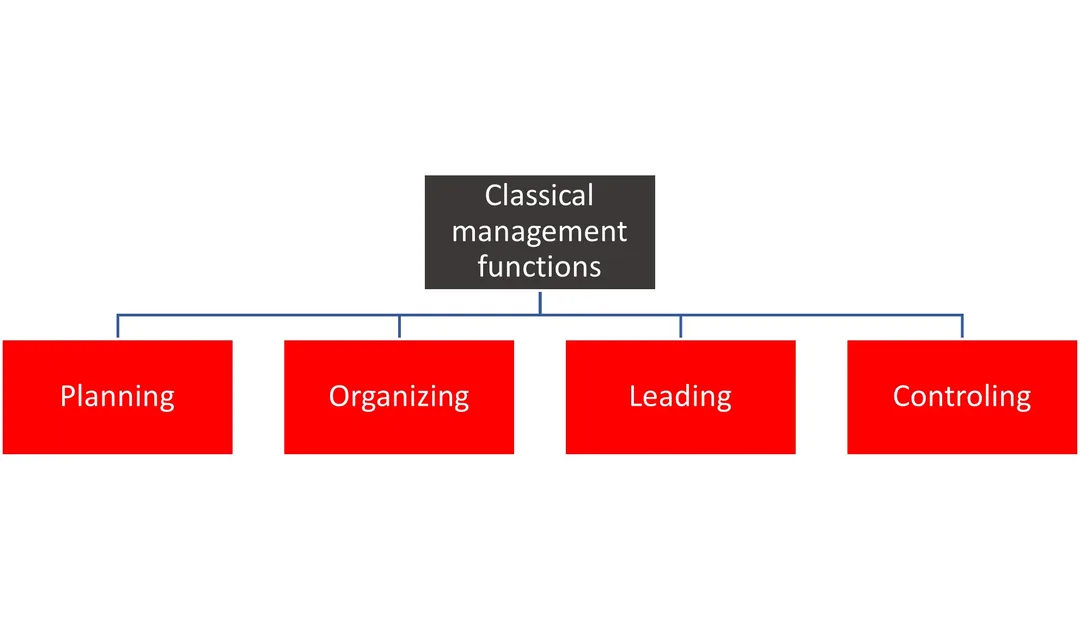
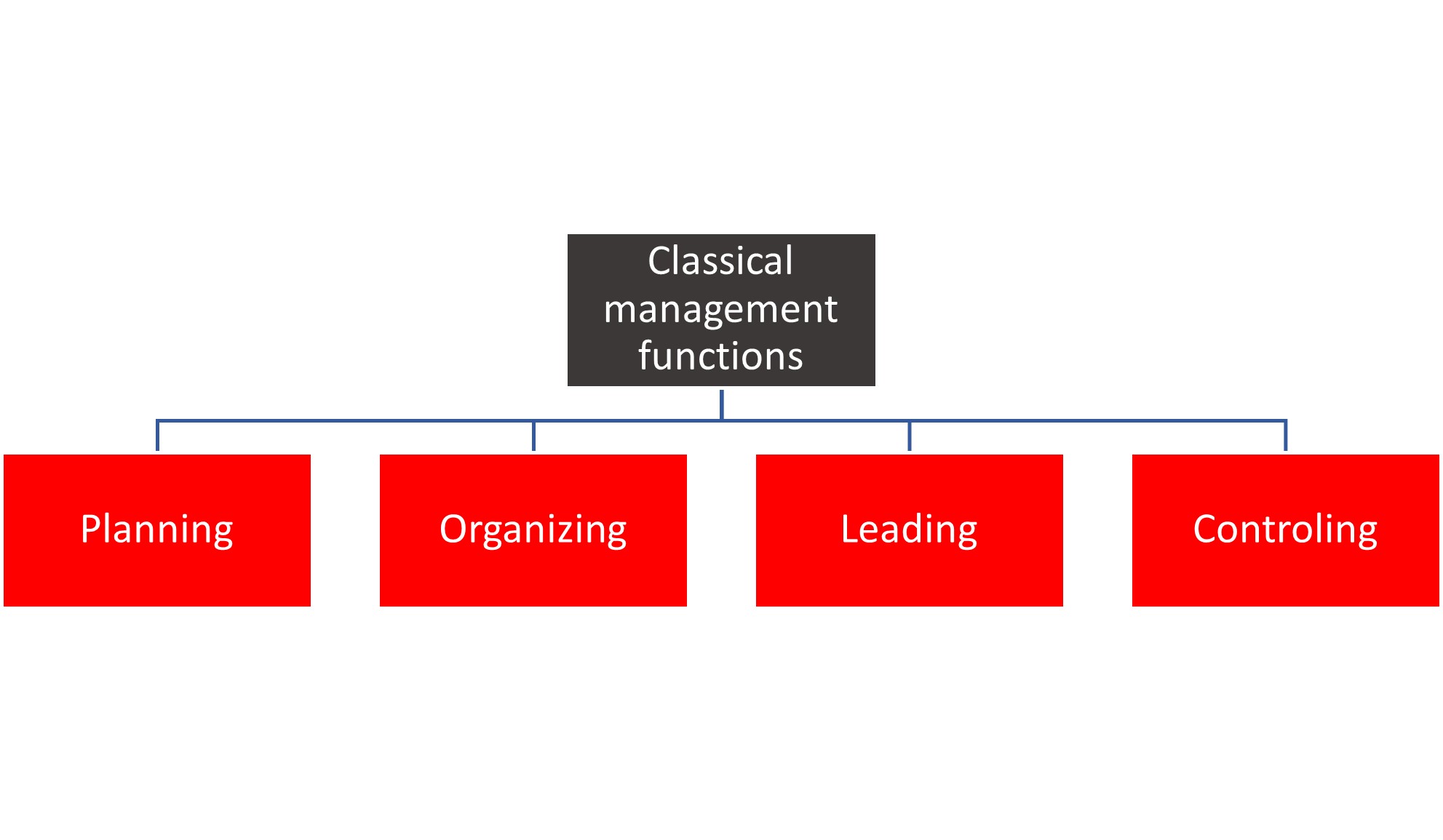
Essentially, running a business involves mastering four core functions: planning, organizing, leading, and controlling. As a founder or manager, you actively engage in organizing and structuring your work to ensure excellence and achieve desired outcomes. This organization establishes authority, accountability, and a clear framework for operations. Beyond this, the creation of systems and workflows is paramount for fostering efficiency, consistency, and scalability. These systems can be strategically implemented to identify promising opportunities and develop ventures around them.
Addressing the "Self-Taught" Entrepreneur Myth
You might argue that numerous highly successful entrepreneurs lack formal academic qualifications. While this is often true, they have, in essence, acquired the knowledge disseminated in academic settings through years of rigorous trial and error. Observing and learning from successful individuals generating six, seven, and eight figures in revenue daily reveals a consistent theme: their recommended strategies often align remarkably with established academic principles.
For instance, Daniel Priestley advocates for the use of scorecards as a powerful tool to engage potential customers, guiding them through the purchase journey from initial awareness to consideration and, ultimately, to a purchasing decision. This is a well-documented content marketing strategy routinely taught in business schools. Similarly, Brent Shannon, in an article for the University of UMass Boston blog titled "The Benefits of Higher Education for Aspiring Entrepreneurs," highlights how academic knowledge provides a foundational advantage for building a sustainable, scalable business, moving beyond mere reliance on luck or intuition.


Knowledge is Key, Not Necessarily a Degree
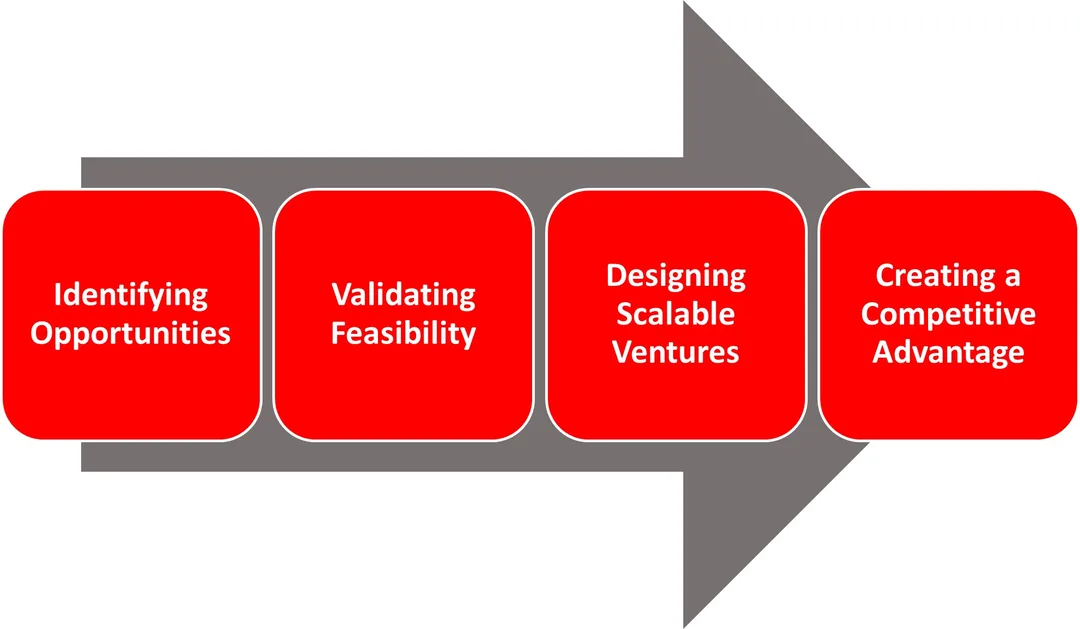
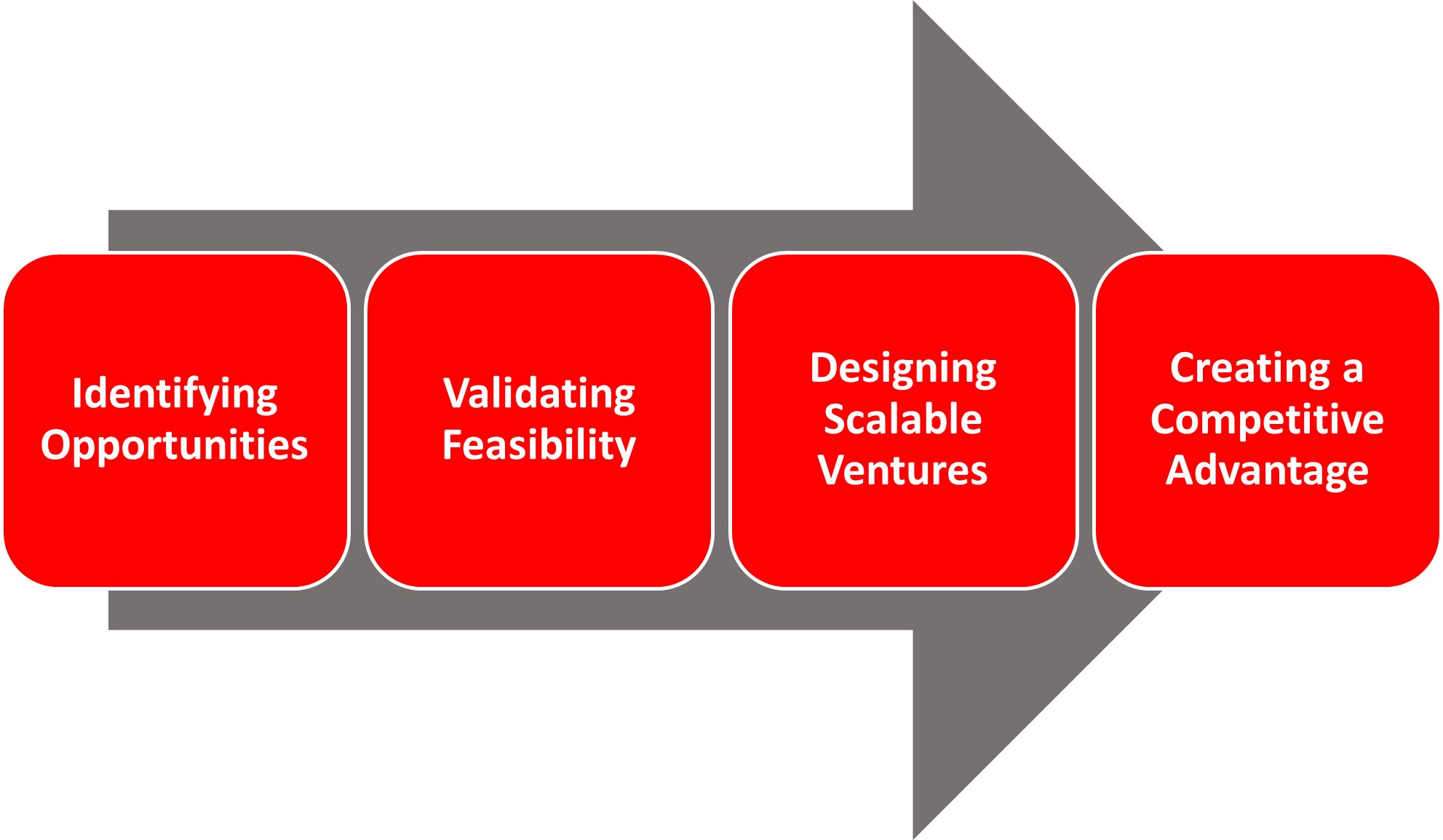
While a university degree is not an absolute prerequisite for entrepreneurial triumph, the acquisition of knowledge is undeniably essential. My own book, "You Are a Business," delves into the systematic approaches required to identify lucrative opportunities, validate their viability, and cultivate a brand with a distinct competitive advantage. This process empowers you to build a business with significant growth potential and scale it through strategic planning, a core component of the book.
Ultimately, you can construct a profitable enterprise by actively seeking knowledge. This learning doesn't need to be confined to a traditional college curriculum. Instead, it can be gained from experienced individuals who possess the skills and expertise to guide you toward your goals, significantly reducing the time and effort required.
The Foundational Pillars: Planning, Organizing, Leading, and Controlling
The four classical management functions provide a robust framework for any entrepreneurial endeavor:
- Planning: This involves setting objectives and determining the best course of action to achieve them. It requires foresight, market analysis, and the development of strategic goals. Without a clear plan, businesses often drift aimlessly, reacting to market changes rather than proactively shaping their trajectory. Academic study in areas like strategic management, market research, and financial forecasting equips entrepreneurs with the tools to create effective plans.
- Organizing: Once a plan is in place, organizing focuses on allocating resources, assigning responsibilities, and establishing the structure within which the business will operate. This includes defining roles, creating efficient workflows, and building a strong team. Academic knowledge in organizational behavior, human resource management, and operations management provides invaluable insights into creating effective organizational structures.
- Leading: This function involves motivating and directing individuals toward the achievement of organizational goals. Effective leadership requires strong communication skills, the ability to inspire, and a deep understanding of human motivation. Principles of leadership, negotiation, and team dynamics, often explored in academic settings, are crucial for guiding a business and its employees.
- Controlling: The final function, controlling, involves monitoring performance, comparing it against established standards, and taking corrective action where necessary. This ensures that the business remains on track to meet its objectives. Academic disciplines like accounting, performance management, and quality control offer the methodologies and metrics for effective business control.
Systems Thinking: The Engine of Scalability
The concept of "systems thinking" is a cornerstone of academic business education and a critical differentiator for scalable businesses. It moves beyond simply managing tasks to designing interconnected processes that work harmoniously.
- Identifying Opportunities: Academic knowledge, particularly in fields like economics, innovation management, and market analysis, helps entrepreneurs develop a discerning eye for identifying unmet needs and emerging trends. Understanding economic principles allows you to assess market demand, while innovation frameworks can spark creative solutions.
- Validating Feasibility: Before investing significant resources, rigorous validation is essential. Academic approaches, including business plan development, financial modeling, and market research methodologies, provide structured ways to test the viability of a business idea. This reduces the risk associated with launching new ventures.
- Designing Scalable Ventures: The true power of academic knowledge lies in its ability to inform the design of scalable systems. This means creating processes that can handle increased volume without a proportional increase in resources or a decline in quality. Concepts like process optimization, supply chain management, and lean manufacturing, all rooted in academic study, are vital for building businesses that can grow efficiently.
- Creating a Competitive Advantage: Academic studies often emphasize the importance of differentiation. Understanding competitive strategy, marketing principles, and branding allows entrepreneurs to carve out a unique position in the market. This can involve superior product development, exceptional customer service, or innovative business models.
Learning from Experience, Amplified by Knowledge
While self-made entrepreneurs demonstrate incredible passion, resilience, and intuition, their journey often involves a steep learning curve marked by costly mistakes. Academic knowledge acts as a powerful accelerator, providing a curated and tested body of wisdom. It allows aspiring entrepreneurs to:
- Avoid Common Pitfalls: Business schools and academic literature are replete with case studies detailing the failures of companies and the reasons behind them. This allows new entrepreneurs to learn from the mistakes of others, saving valuable time and resources.
- Adopt Best Practices: Academic research identifies and codifies best practices across various business functions. By understanding these established methods, entrepreneurs can implement proven strategies from the outset, rather than reinventing the wheel.
- Develop a Strategic Mindset: Formal education often cultivates a strategic, long-term perspective. It teaches entrepreneurs to think beyond immediate challenges and consider the broader implications of their decisions on the business's future growth and sustainability.
- Enhance Decision-Making: Academic frameworks provide structured approaches to problem-solving and decision-making. By learning to analyze situations critically, weigh different options, and assess potential outcomes, entrepreneurs can make more informed and effective choices.
Conclusion
The entrepreneurial landscape is diverse, with success stories emerging from various educational backgrounds. However, the underlying principles of effective business management, strategic planning, and operational efficiency remain constant. Academic knowledge, whether acquired through formal education or dedicated self-study, provides an invaluable toolkit for entrepreneurs. It equips them with the frameworks, methodologies, and insights needed to navigate the complexities of building and scaling a successful business. While a degree may not be mandatory, a commitment to continuous learning and the strategic application of knowledge is, without question, the most reliable path to enduring entrepreneurial success. By embracing these principles, entrepreneurs can build businesses that are not only profitable but also resilient, scalable, and poised for long-term growth.
Note: Want a clear path to starting your business? Discover the 7-Step Weekend Venture System and start building your venture this weekend.
Join my FREE newsletter THE WEEKEND VENTURE