The Safest Way to Transition from Employee to Entrepreneur
Leap to Entrepreneurship Without Quitting Your Job: The Smart Way
 Berge Dermelkonian
The Safest Way to Transition from Employee to Entrepreneur
Leap to Entrepreneurship Without Quitting Your Job: The Smart Way
Leaping Without Losing Your Income, the Smartest Path from Employee to Entrepreneur
Thinking of being your own boss? Many do. But the entrepreneurial graveyard is filled with promising ideas that jumped too soon. The reality is, most new businesses don't fail because the idea was bad, but because the founder wasn't prepared. Statistics show a stark contrast: while around 20% of new businesses fold within their first year, those that start as side projects while their founders remain employed enjoy significantly higher survival rates. This isn't magic; it's the power of clarity, patience, and building a solid foundation. This article will walk you through a practical, step-by-step framework to make your leap from employee to entrepreneur not just possible, but safe and sustainable.
What Entrepreneurship Really Asks of You (Beyond the Glamour)
Forget the Instagram highlight reels for a moment. Entrepreneurship demands a frank assessment of what it truly requires. It's not about a wish list; it's about understanding the gritty reality:
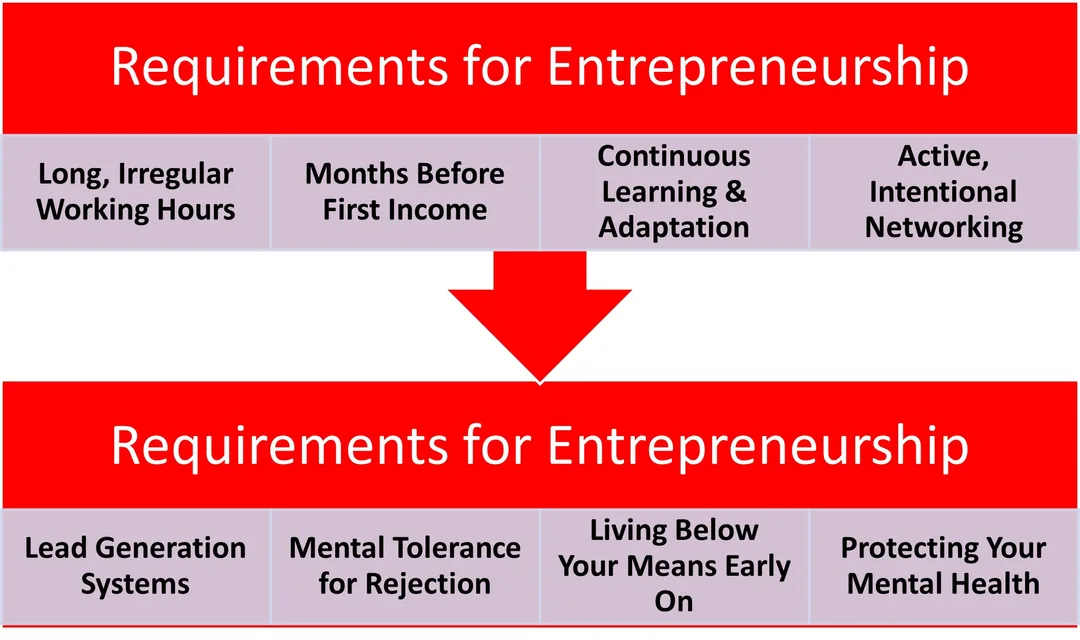
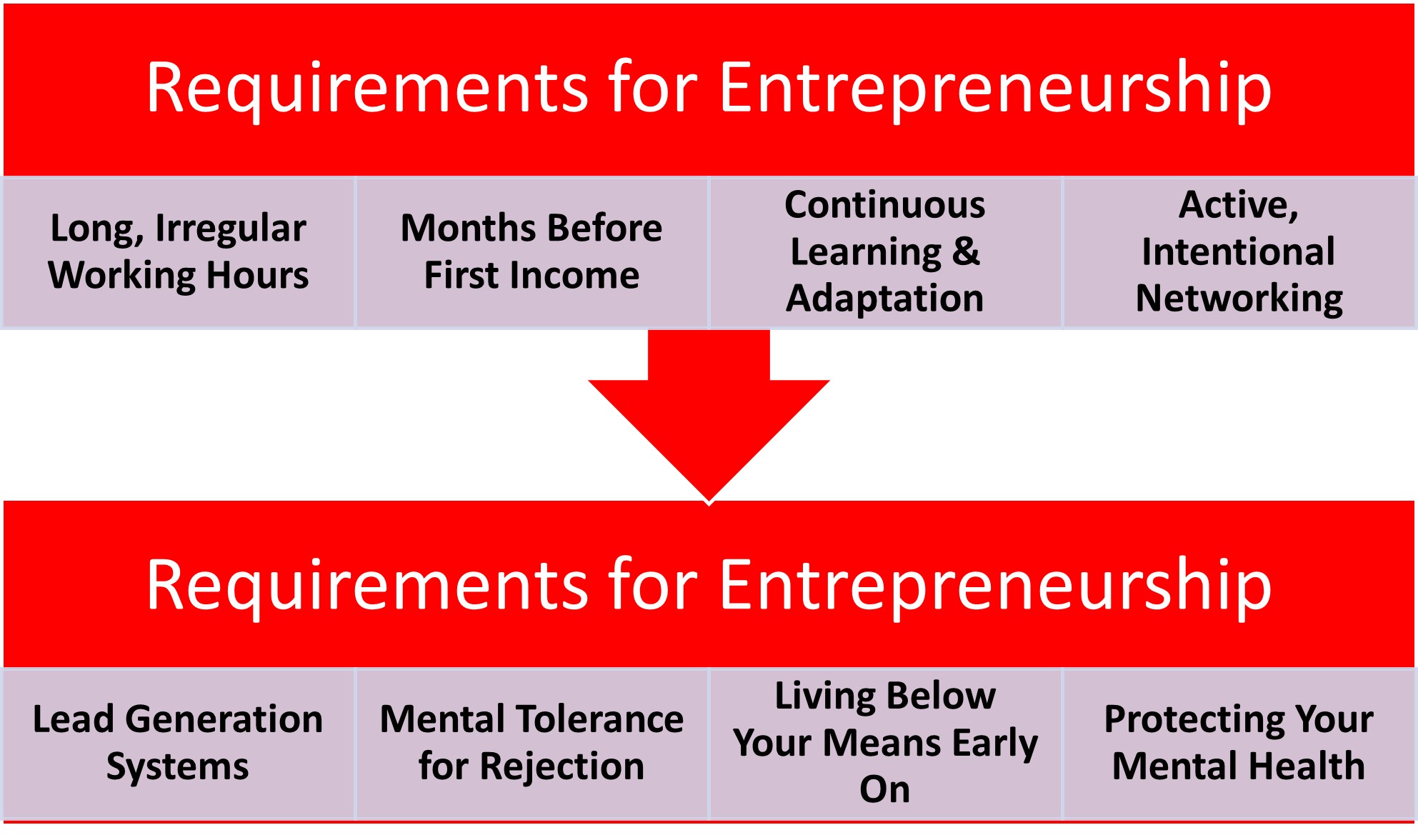
- Long, Irregular Working Hours: Be prepared for days that stretch far beyond the traditional 9-to-5, often with unpredictable schedules. This isn't just about putting in time; it's about dedicating focused effort during your clearest, most productive moments, which might not always be during standard business hours.
- Months Before First Income: The journey from concept to cash flow is rarely immediate. You must be mentally and financially prepared to invest time and resources for several months, on average, before your venture even earns its first dollar. This means having a financial buffer and managing expectations.
- Continuous Learning & Adaptation: The business landscape shifts constantly. You'll need an insatiable curiosity and a commitment to ongoing learning, whether it's acquiring new skills, understanding market trends, or adapting your strategy based on feedback. Stubbornness won't cut it; adaptability will.
- Active, Intentional Networking: Building relationships isn't optional; it's foundational. You need to actively cultivate a network of peers, mentors, potential clients, and collaborators. This requires intentional effort to connect, engage, and provide value, not just when you need something.
- Lead Generation Systems: A great product or service is useless if no one knows about it. You must develop reliable systems for consistently attracting potential customers and nurturing them into paying clients. This involves understanding your audience and creating predictable pathways to sales.
- Mental Tolerance for Rejection: Expect setbacks. You will face rejection from potential clients, investors, and even in your own decision-making. Developing resilience and the ability to learn from 'no' is crucial for long-term perseverance.
- Living Below Your Means Early On: To sustain yourself and your budding business, financial discipline is paramount. You'll likely need to reduce personal expenses and live more frugally during the initial growth phases to ensure your venture has the capital it needs to survive and thrive.
- Protecting Your Mental Health: This is not a "soft" metric; it's a survival tactic. The immense pressure of entrepreneurship can take a toll. Prioritizing your mental well-being through stress management, self-care, and setting boundaries is as vital as any business strategy.
Beyond these demands, a willingness to embrace coaching from those who have walked the path before you and the humility to know when to listen are invaluable assets. Remember, the U.S. Bureau of Labor Statistics indicates that nearly 45% of new businesses don't survive past their fifth year, with cash flow problems cited as a primary trigger for 82% of failed startups. Understanding these challenges upfront is the first step to overcoming them.
The Weekend Venture System to Build Your Business Without Quitting Your Day Job
The most effective way to de-risk entrepreneurship is to move slowly and deliberately, leveraging the momentum you build. This is the core of what I call the Weekend Venture System. It's about using your clearest, most rested hours; typically, your weekends, to construct a business in parallel with your current employment. Here’s how to implement it, step-by-step:
Define Your Offer:
- Execution: Dedicate your weekend hours to focused research, validation, and refinement of a business idea. Don't aim to build an empire overnight; instead, pinpoint a single, specific problem you can solve for a distinct type of person. For example, instead of "marketing services," aim for "SEO audits for local plumbers."
- Application: This focused approach ensures you're building something with clear market demand and a defined target audience from the outset, reducing guesswork and wasted effort.
Pick One Social Channel:
- Execution: Resist the urge to be everywhere. Choose one social media platform where your ideal clients spend their time and concentrate on building a genuine community there. Your goal is to foster interest and engagement with potential buyers and early adopters before you directly ask for a sale.
- Application: Use this channel to share valuable content, engage in conversations, and perhaps offer an entry-level product or service, or even a waiting list. The principle here is that trust must precede a transaction.
Lead with Your Personal Brand:
- Execution: As a solo founder, especially in the early stages, you are the business. Your personal credibility, consistency in your messaging, and honesty in your dealings are your most potent marketing assets. Far more than any slick logo or ad campaign, your authentic self builds trust.
- Application: Be visible. Share your expertise, your insights, and even your journey. Let people get to know the person behind the offer, as this builds a strong foundation for loyalty and advocacy.
Collect Your First Testimonials:
- Execution: This is a critical inflection point. Once you have customers who have genuinely benefited from your offer, actively seek their feedback and encourage them to share their positive experiences publicly. These aren't just nice-to-haves; they are crucial pieces of social proof.
- Application: Don't rush past this step. Real testimonials from real people validating your product or service are the most powerful concept proof you can get. They lend credibility to everything else you do and significantly ease future sales efforts.
Stay Employed Until Profits Are Consistent:
- Execution: This is the non-negotiable cornerstone of the safe transition. Continue your employment until your business consistently generates enough profit to cover your expenses and provide a reliable income stream.
- Application: Quitting your job prematurely forces an urgency mindset. Urgency, however, is the enemy of good judgment. Your employment serves as your essential financial and psychological buffer, allowing you to make strategic decisions from a place of security, not desperation.
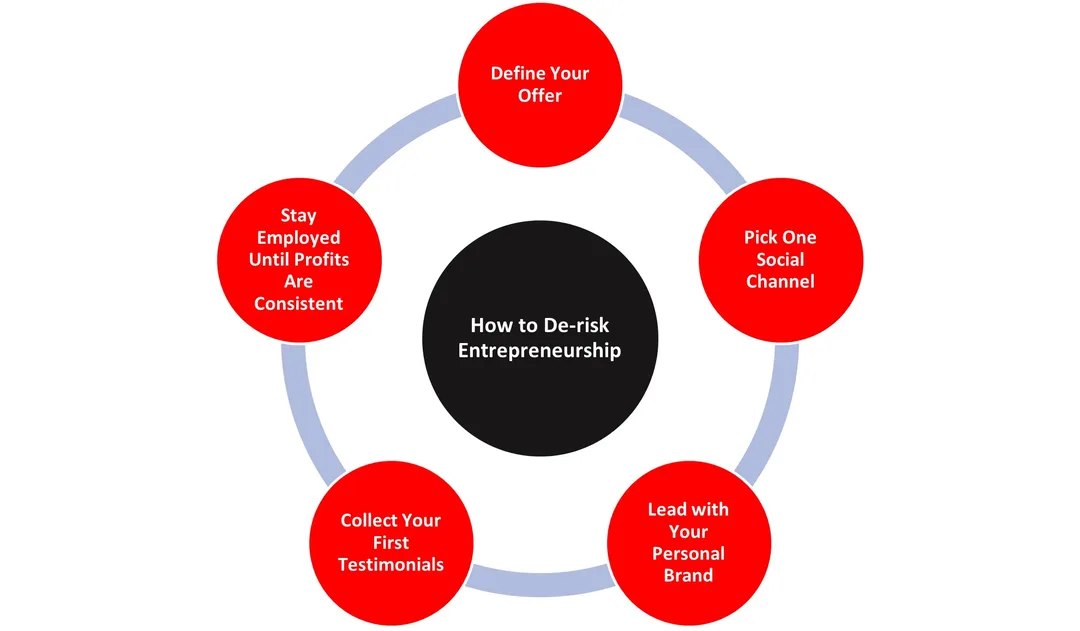
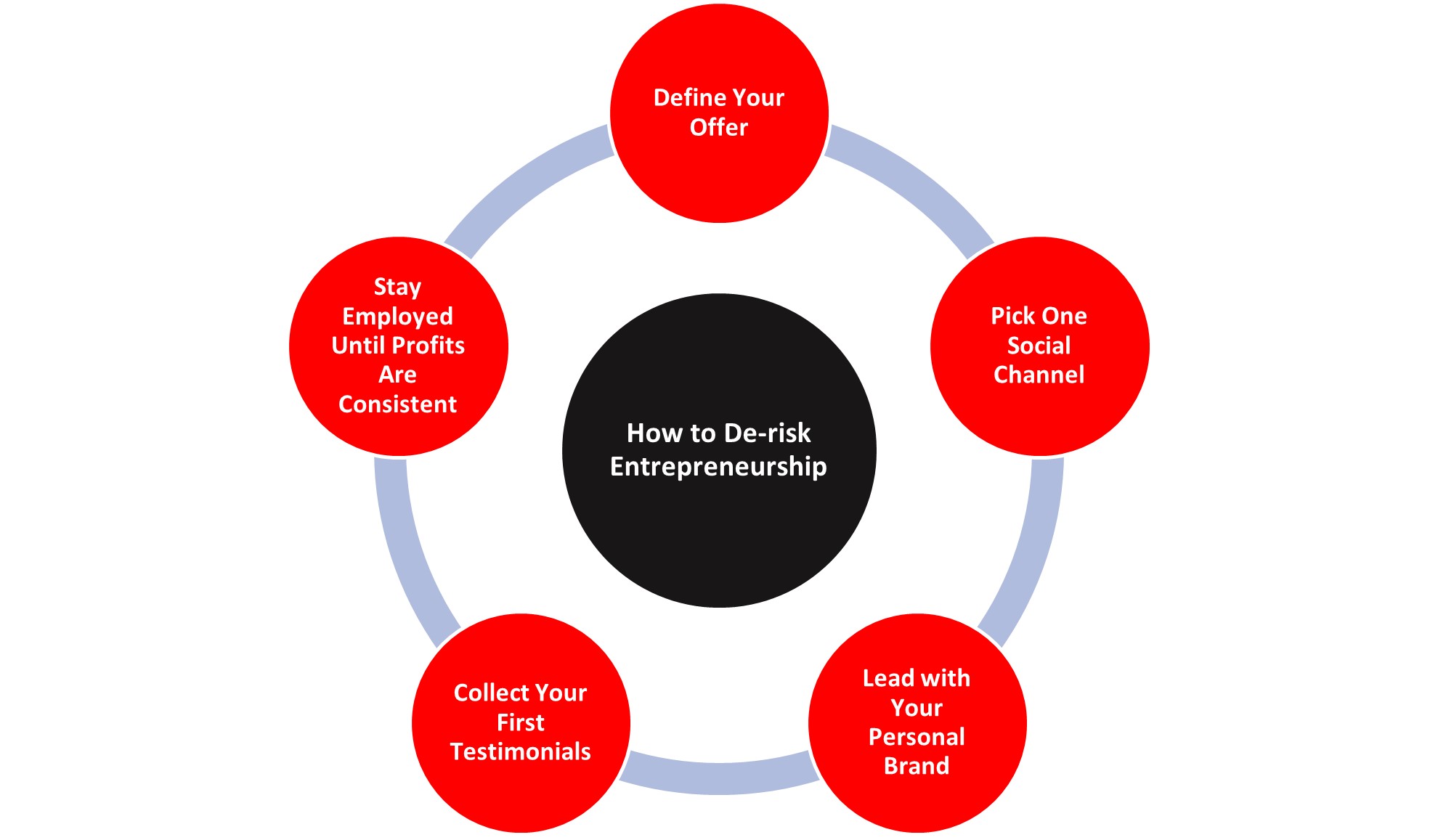
By diligently following these steps, you build momentum, validate your concept, and establish a track record, all while maintaining the financial security of your day job. This deliberate pace is, counterintuitively, the fastest way to achieve sustainable entrepreneurial success.
Click here to start customizing